Essentials & Etiquette
How spicy is Mexican food actually — and how do I order for my heat tolerance?
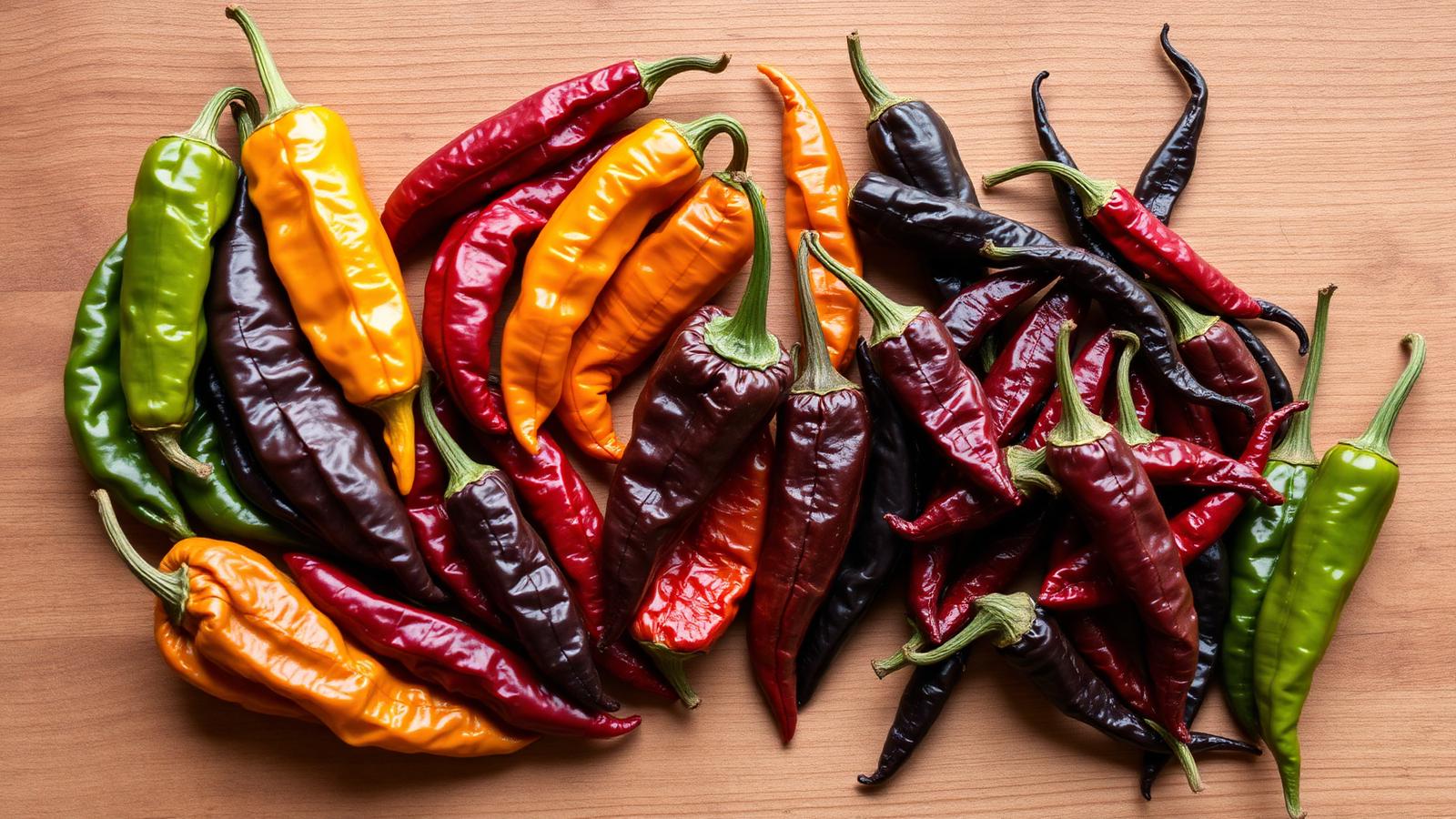
Mexican food is not uniformly spicy. Much of the great cooking of central Mexico is warm, layered, and complex without being aggressively hot. The heat is almost always on the side, in the form of salsas you control.
On the base dish: most restaurant dishes in CDMX arrive mildly seasoned. The pastor at El Vilsito, the pozole at Tlaxcalli, the chilaquiles at most cafés — all mild until you dress them.
On the table: every taquería and most restaurants bring 2–4 salsas ranging from mild (roja de jitomate) to serious (habanero, arbol, morita). Taste a tiny drop first. The green salsa is often hotter than the red.
Phrases: '¿Cuál es la salsa más suave?' (which is the mildest salsa?), 'poquito picante por favor' (a little bit spicy please), 'sin picante' (no heat).
Chile types by heat: poblano (mild) < pasilla, ancho (mild-medium) < chipotle, morita (medium-smoky) < arbol, serrano (hot) < habanero (very hot, mostly Yucatecan cooking).
Frequently asked
Quick answers
Is authentic Mexican food really spicy?
+
Not uniformly. Central Mexican cooking (which is most of what you'll eat in CDMX) is complex and warm rather than aggressively hot. The real heat is usually on the side in salsas, which you can add to taste. Yucatecan cooking and some coastal dishes push higher.
How do I order less spicy food in Mexico?
+
Say 'sin picante, por favor' (no spice, please) or 'poco picante' (a little spice). At a taquería, taste each salsa in tiny amounts before dressing your taco — the red is often milder than the green.