
Essentials & Etiquette
Will the altitude in Mexico City affect me?
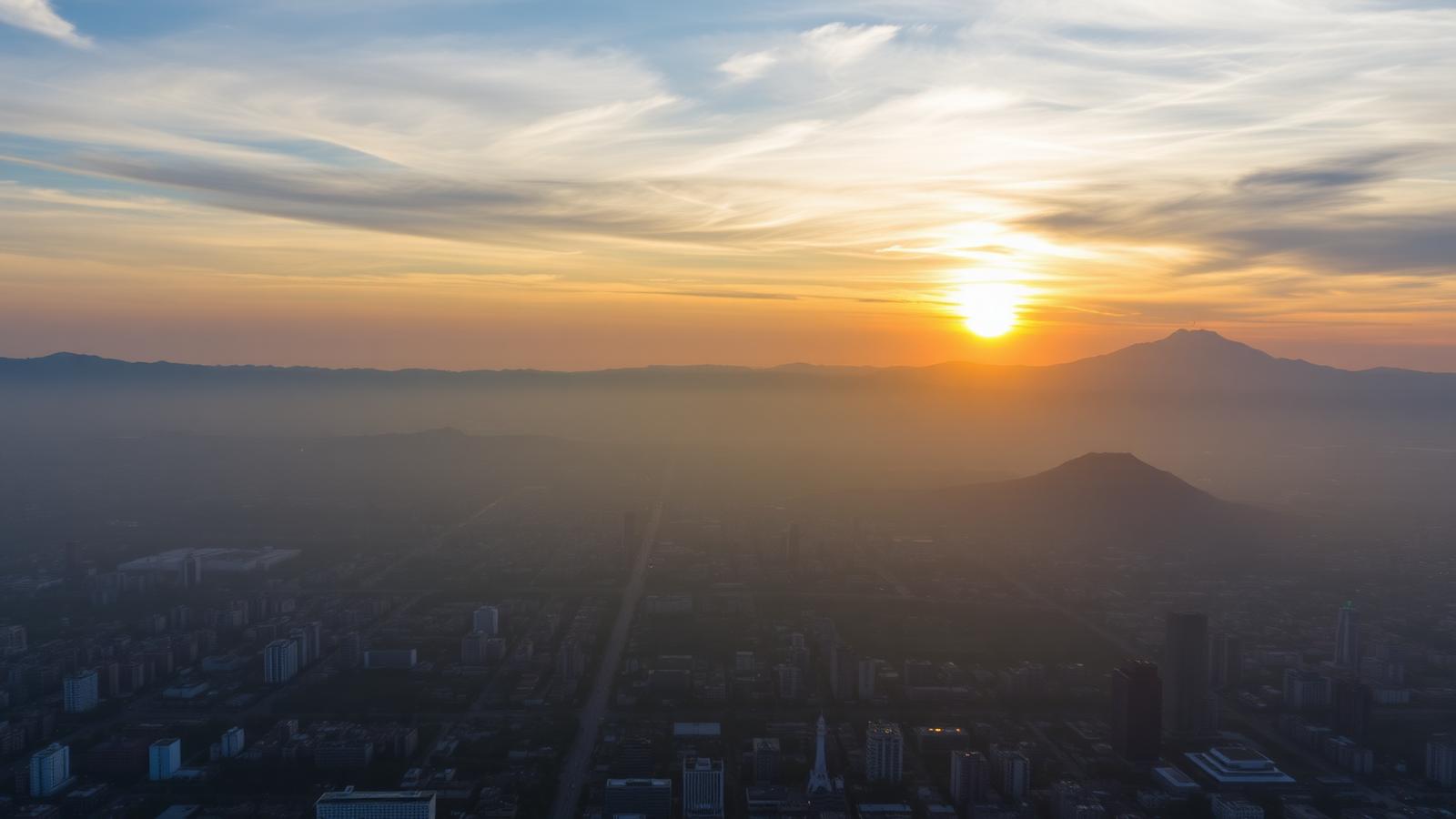
Mexico City is high — higher than Denver, higher than most European ski villages. Most visitors are fine but a meaningful minority get symptoms during the first day or two.
What to expect: mild shortness of breath climbing stairs, faster-than-usual heart rate, sometimes a headache or trouble sleeping the first night. Alcohol hits noticeably harder — a good mezcal will feel like two at sea level.
What to do: drink more water than you think you need, go easy on alcohol the first 24 hours, don't plan a marathon of activity on day one. Coca tea (té de coca) is not sold here the way it is in Peru; ibuprofen for a headache is fine.
When to worry: severe headache, nausea, or shortness of breath at rest is not normal altitude adjustment. See a doctor.
Frequently asked
Quick answers
How high is Mexico City?
+
The historic center sits at approximately 2,240 meters (7,350 feet) above sea level. Some southern colonias and the surrounding mountains are higher.
Do I need altitude medication for CDMX?
+
Almost never. Mexico City is high but not extreme. Most people acclimate within 24–48 hours. If you have known altitude sensitivity, talk to a doctor about acetazolamide (Diamox) before you travel, but it is not standard.
Why does alcohol hit harder in Mexico City?
+
At altitude, blood-oxygen saturation is lower and dehydration happens faster, both of which amplify the effects of alcohol. Pace yourself, alternate drinks with water, and expect one mezcal to feel closer to one and a half.