
Essentials & Etiquette
How should I experience Día de Muertos in Mexico City?
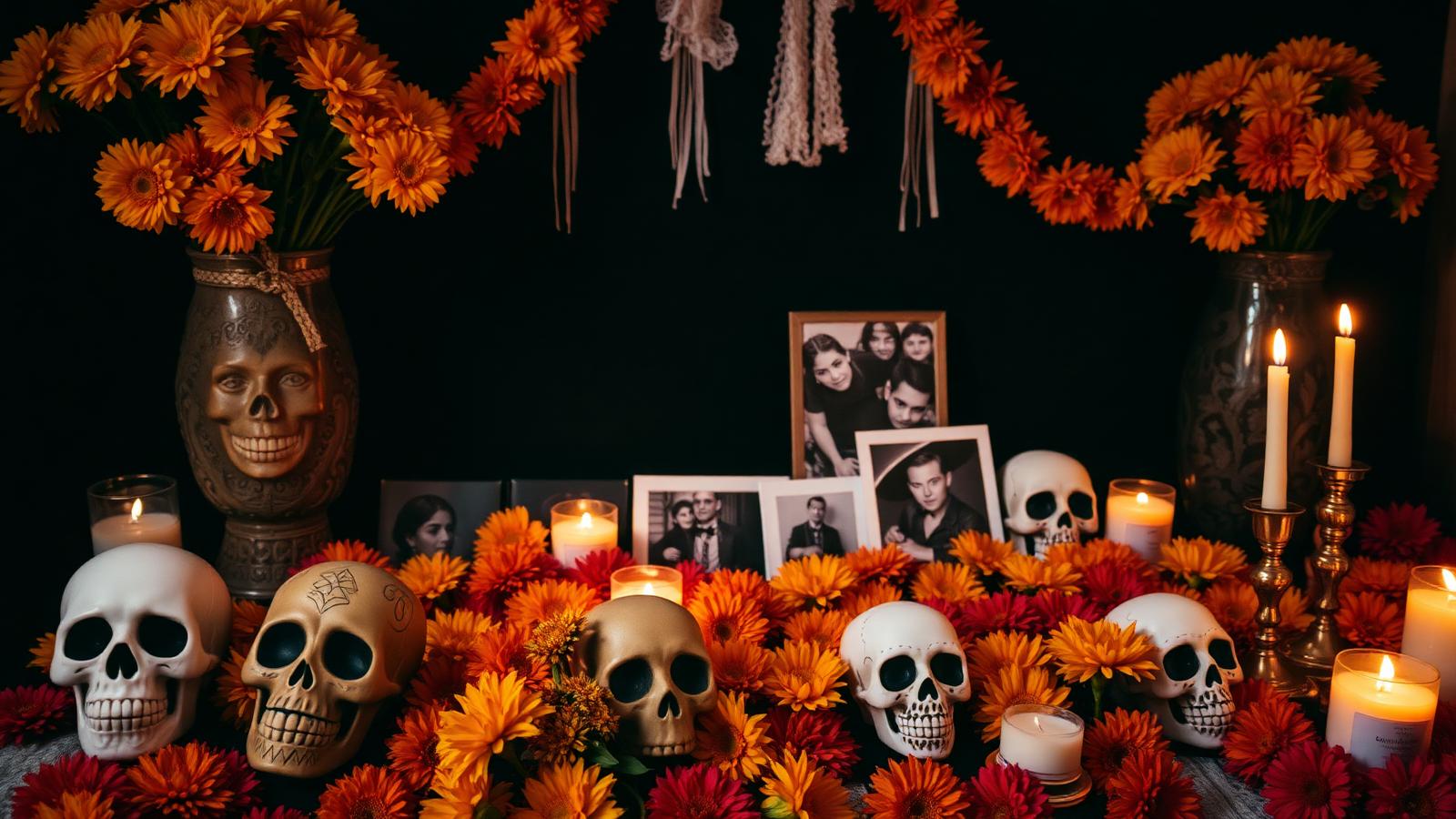
Día de Muertos (Nov 1–2) is not Halloween. It is a serious, joyful holiday about remembering the dead. In CDMX it is also one of the best weeks of the year to visit — if you know how to see it.
The big parade
The Mega Desfile de Día de Muertos runs down Reforma on the Saturday closest to November 2. It is a modern invention (started after the 2015 James Bond film Spectre invented one on screen) but it has become a real spectacle. Get a spot by 10 a.m. for a 1 p.m. start.
The ofrendas
The Zócalo mega-ofrenda is enormous and heavily photographed. For something more intimate, visit the ofrendas at UNAM (Ciudad Universitaria) and inside the Museo Dolores Olmedo in Xochimilco.
The cemetery visits
The most moving experience is a nighttime cemetery visit on Nov 1 or 2. San Andrés Mixquic, an hour southeast of the city, is the traditional destination — locals decorate family graves with cempasúchil (marigolds), copal incense, and candles. Go with a guide who has family ties there.
Pan de muerto
The seasonal bread. Every good bakery does its own version from mid-October to early November. Panadería Rosetta and Tout Chocolat are the fine-dining versions; every neighborhood panadería makes an honest, cheaper one.
Frequently asked
Quick answers
When is Día de Muertos?
+
November 1 (Día de los Angelitos, for children who have died) and November 2 (Día de los Muertos, for adults). Related events and ofrendas run from roughly October 28 through November 3.
Is it disrespectful for tourists to attend Día de Muertos?
+
No — Mexican families broadly welcome visitors who engage with the holiday respectfully. That means: don't wear a costume treating calavera face paint like Halloween, don't photograph private family altars without asking, and understand that cemetery visits are a religious and emotional occasion.